planning
Baby bottles & sterilisers UK: buying guide
Compare baby bottles and electric, microwave or cold-water sterilisers. NHS cleaning and formula-preparation sources, with practical checks before buying.
- UK first kit
- Desk-researched
- Skip-list
By BabyNido editorial team · Published · Last updated
Links marked with * are affiliate links. We may earn a commission at no extra cost to you. How our links work. This is a desk-researched buying guide.
Do you need baby bottles before the baby arrives?
Only if you already plan to use them. Many UK units supply formula if it is needed on the ward. A cupboard of mixed brands is a panic buy, not a plan. If you are breastfeeding and not expressing, you can skip this aisle. If you will bottle-feed from the start, a small starter plus a sterilising method is enough.
This is a kit page, not a feeding method lecture. NHS pages on breastfeeding and bottle-feeding remain the free clinical layer. We will not rank formula brands. We will not tell you to “just in case” a steriliser into the hospital bag — see hospital bag UK. Newborn essentials still puts sleep and the car seat first.
What sterilising methods does the NHS actually list?
Steam (electric or microwave), cold-water sterilising solution, or boiling for at least ten minutes. Wash in hot soapy water and rinse first. A dishwasher cleans; it does not sterilise. NHS advice is to sterilise until at least twelve months. Follow the maker on steam kits. Skip UV claims we cannot source to that NHS page.
Source: NHS — Sterilising baby bottles (checked 13 Aug 2026).
Best Start in Life also walks through steam, cold water and boiling (checked 13 Aug 2026). That page is the method. A “smart” steriliser with an app is not a better method. Boiling still works if the items can take it; teats wear faster.
Source: NHS Best Start in Life — How to sterilise equipment (checked 13 Aug 2026).
How many bottles is a starter set, not a cupboard?
Four to six bottles in one system is a start, not a collection. Teats wear and are brand-specific. Buy the anti-colic story only if you will return what they refuse. A bottle warmer is optional; a mug of hot water is the old method. Formula machines are a later want, not a first-month essential.
| Kit | Choose if | Skip if |
|---|---|---|
| Small starter in one brand | You will bottle-feed or express | You have not decided the feeding plan |
| Steam steriliser or microwave bags | You want speed over a pan | You are happy to boil and you have a hob |
| Cold-water solution | You want a cheap tub method | You will not change the solution every 24 hours |
| Bottle warmer / formula maker | Later, if you actually use bottles daily | Day one, or as a hospital-bag “just in case” |
Which baby bottles and sterilisers are worth comparing?
Compare a Tommee Tippee-style starter, a MAM-style system, and a steam or microwave steriliser — not a ranked “best bottle 2026”. We have not timed feeds. Skip mixed teats across brands. Skip this whole compare if you do not plan to use bottles. Awin hops can sit beside Amazon when live.
Ad · affiliate link Compare bottles and sterilisers at John Lewis*
Example UK options to compare, not a ranked best-of. We have not lab-tested them. Model checks are dated where available. Affiliate links (*). Check the exact listing, seller and included parts before buying.
-
Bottles · Amazon UK
Tommee Tippee Super-Steam Advanced electric steriliser
An electric steam option if you regularly clean several bottles and have counter space. Compare its footprint and cleaning routine with microwave or cold-water sterilising before buying another appliance.
Skip if: You need automatic drying, already have a suitable sterilising method, or the selected seller cannot confirm the UK model and plug.
Model, bundle and buying checks
Linked version: Original white Super-Steam Advanced model; not the steriliser-and-dryer or newer electric model.
- The checked listing describes a five-minute sterilising cycle and capacity for six compatible bottles. Cleaning, loading and cooling take extra time.
- Bottle shapes and accessories affect capacity. Follow the instructions supplied with the exact UK unit, including water quantity, cooling and descaling.
Listing identity checked . Published-source research; no hands-on test. Seller, bundle and availability can change.
Product references:
Super-Steam steriliser research review at Clever Mum. Clever Mum is our sister site under the same ownership; this is related reading, not independent corroboration.
Ad · affiliate link Check Super-Steam Advanced white on Amazon UK*
-
Bottles · Amazon UK
Tommee Tippee starter bottle set
A common UK bottle-and-teat listing if you already plan to bottle-feed. Sterilising method still needed. Not a “just in case” panic buy for the ward.
Skip if: You are breastfeeding and your unit supplies formula if needed, or you have not decided the feeding plan.
Ad · affiliate link Compare Tommee Tippee bottles on Amazon UK*
-
Bottles · Amazon UK
MAM / anti-colic bottles
Another frequently listed UK bottle system. Teats are not interchangeable across brands. Buy a small starter, not a cupboard.
Skip if: You do not know which teat the baby will accept — wait until they are home.
Ad · affiliate link Compare MAM baby bottles on Amazon UK*
-
Bottles · John Lewis
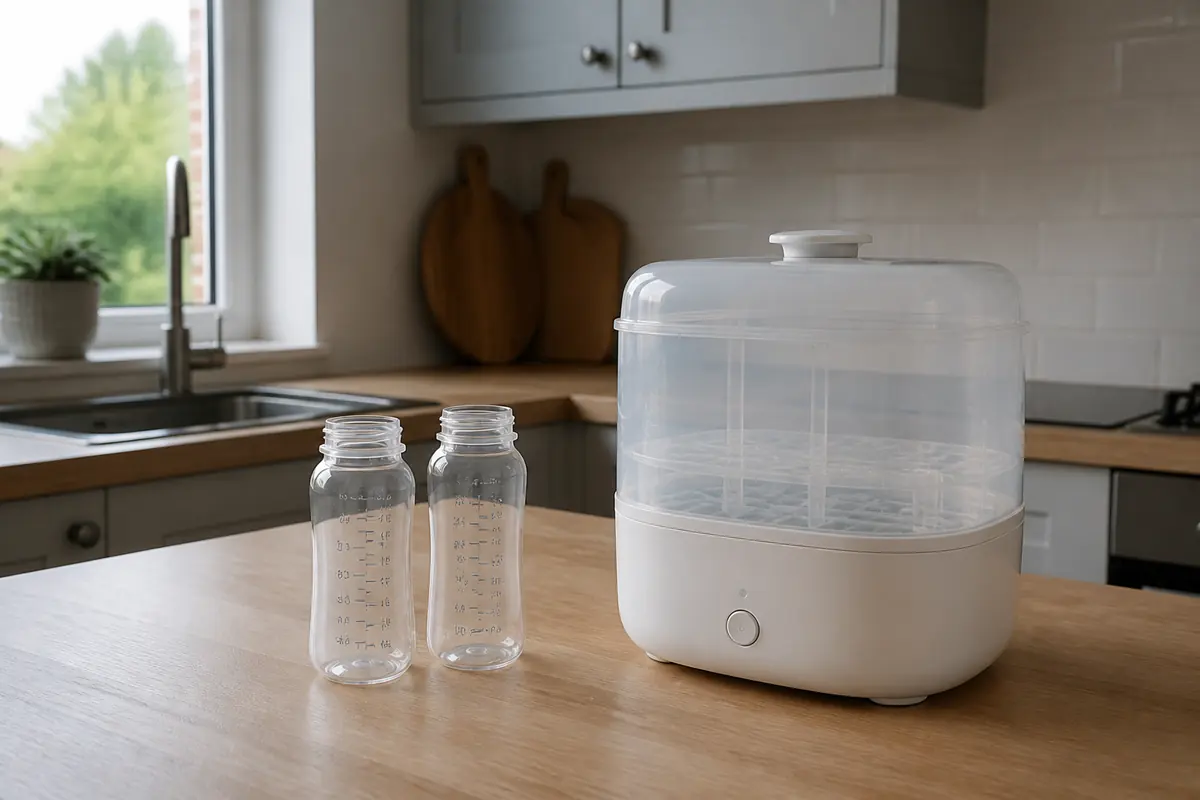
Steam or microwave steriliser
Needed if you use bottles. NHS lists sterilising equipment for formula feeding. A microwave steam bag can be the small start.
Skip if: You are exclusively breastfeeding and not expressing into bottles.
Ad · affiliate link Compare sterilisers at John Lewis*
When should you skip feeding gadgets?
Skip warmers, makers and “perfect temperature” apps until a simple bottle has failed you. Skip packing formula “just in case” unless the unit asked. Skip a high chair as feeding kit for a newborn — high chairs waits for sitting. Changing-bag bottle pockets only matter if you bottle-feed away from home.
If feeding is going badly, a midwife, health visitor or feeding supporter beats an affiliate round-up. This page will not compete with them.
Is a bottle set a good newborn gift?
Only if the parents asked. A starter set is a bad surprise for someone who planned to breastfeed. A voucher, muslins or sleepsuits are safer gifts. Nappies and newborn essentials still outrank gadgets. Include a receipt so they can swap the system.
A steriliser without bottles is an incomplete gift. A mixed-brand hamper of teats is how cupboards fill with parts that do not fit.
How do you compare electric steam, microwave and cold-water sterilisers?
Compare the sterilising method against your routine, available space and the equipment you plan to use. Check capacity with your actual bottles and parts, not only an advertised bottle count. Each method has instructions for timing and handling. A bottle washer and a steriliser do different jobs unless the product explicitly supports both.
| Method | Practical advantage | Check first |
|---|---|---|
| Electric steam | Dedicated setup on a worktop | Footprint, descaling and compatible bottle parts |
| Microwave steam | Can be stored between uses | Microwave dimensions and required power setting |
| Cold-water solution | No powered heating cycle | Correct solution, contact time and replacement routine |
Cleaning comes before sterilising: residue left in a teat or valve does not disappear because a machine has run. The NHS advises sterilising feeding equipment until at least 12 months old. Follow the equipment instructions for the chosen method. If you are unsure about a part, check with the manufacturer rather than guessing that any plastic component is microwave-safe.
Source: NHS — Sterilising baby bottles (checked 9 September 2026).
Which bottle-feeding purchases can wait until you know your routine?
You do not need every bottle accessory before birth. Start with the equipment needed for your feeding plan and a safe way to clean and sterilise it. A warmer, drying rack or large bottle collection is a separate convenience purchase. Ask your maternity team about feeding supplies for the hospital.
Consider how easy bottles and teats are to clean, replace and identify when several carers prepare feeds. Buying one complete compatible system can be simpler than mixing spare parts that look similar. Check the manufacturer’s compatibility information, especially for valves, seals and teats. Keep instructions somewhere each carer can find them.
Formula preparation is a safety task rather than a shopping preference. NHS instructions use freshly boiled tap water left to cool for no more than 30 minutes so it remains at least 70°C when mixed with powder; check the complete NHS method before preparing a feed. Do not assume a machine heats water appropriately simply because its marketing describes fast preparation. A bottle warmer does not perform that preparation step.
Source: NHS — Making up baby formula (checked 9 September 2026).
Frequently asked questions
Do I need a steriliser if I use bottles?
You need a sterilising method until at least 12 months, per NHS advice: steam, cold-water solution or boiling. A dishwasher is not enough. A branded electric unit is optional if boiling works for you.
How many baby bottles do I need?
A small starter in one system — often four to six — is enough to begin. Teats are not interchangeable across brands. Wait to see what they accept before you fill a cupboard.
Should I pack bottles in the hospital bag?
Only if you have already decided to bottle-feed and your unit has told you to bring your brand. Many units supply formula if needed. Do not pack a “just in case” machine.
Check the evidence
Sources & how to use this guide
Our recommendations use published guidance and product information. We have not physically tested these products. Check the exact model, instructions and retailer listing before buying.
- NHS — Sterilising baby bottles Source checked: 9 September 2026
- NHS Best Start in Life — How to sterilise equipment Source checked: 13 Aug 2026
- NHS — Making up baby formula Source checked: 9 September 2026
Read next
-
planning
Newborn essentials checklist UK: what to buy
What a newborn really needs in the UK: a room-by-room checklist of essentials, what can wait, what to skip and the safety checks to make before you buy.
-
planning
Hospital bag checklist UK: what to pack
What to pack in your hospital bag for labour, baby and the trip home, based on NHS advice. Includes when to pack, what to skip and a free printable checklist.
-
gear
High chairs UK: when to buy and how to choose
When to buy a high chair (once baby can sit up) and how to choose: simple wipe-clean vs grow-with-me chairs, five-point harnesses and UK listings to compare.
-
planning
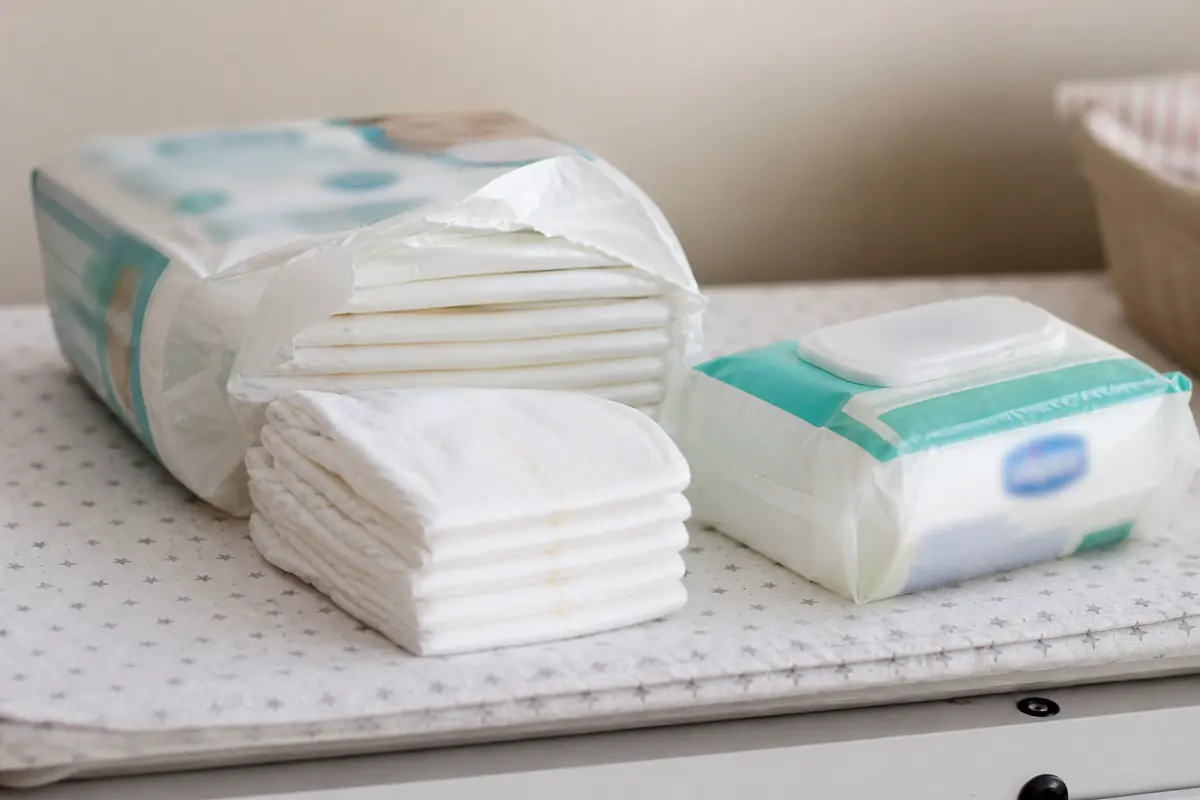
Newborn nappies and wipes UK: sizes and first packs
How many newborn nappies and wipes to buy in the UK, which size to start with, disposable vs cloth, and fragrance-free wipes, with listings to compare.
-
gear
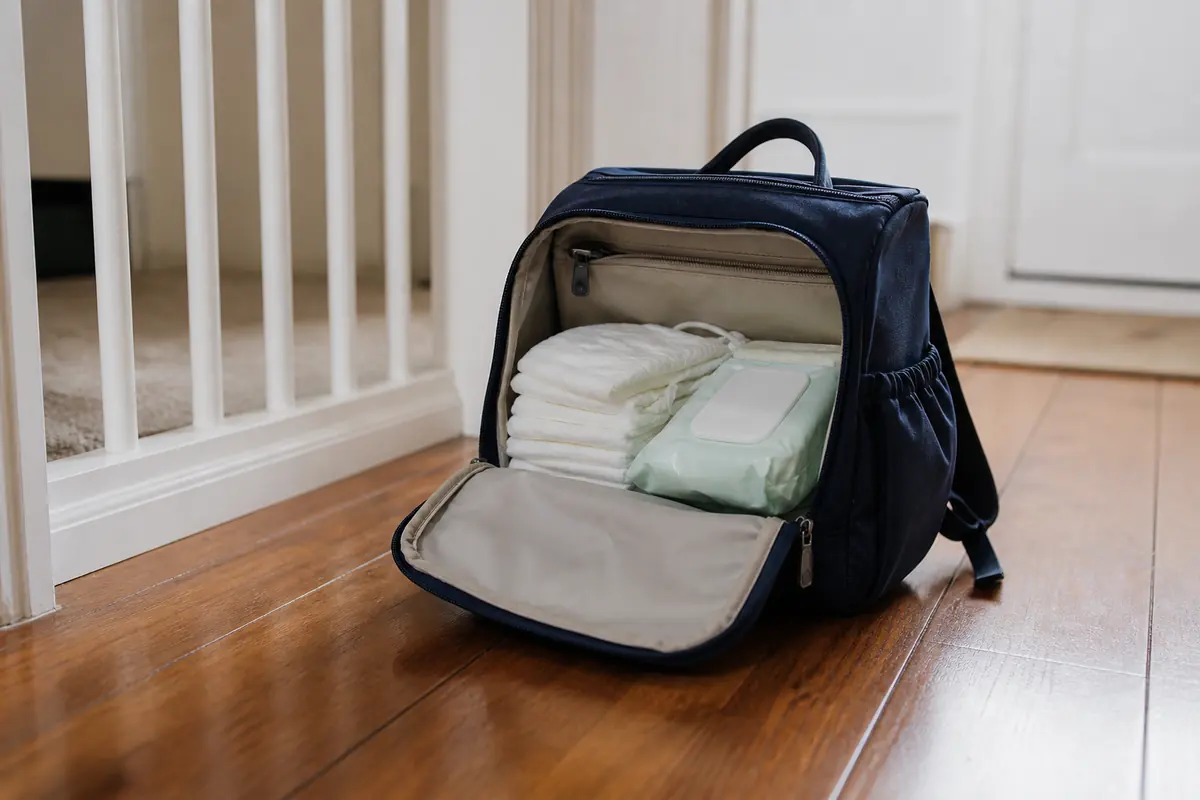
Baby changing bags UK: what to skip
How to choose a baby changing bag in the UK: backpack vs tote, what to pack, the features worth paying for, and listings to compare. Not a ranked list.
-
care
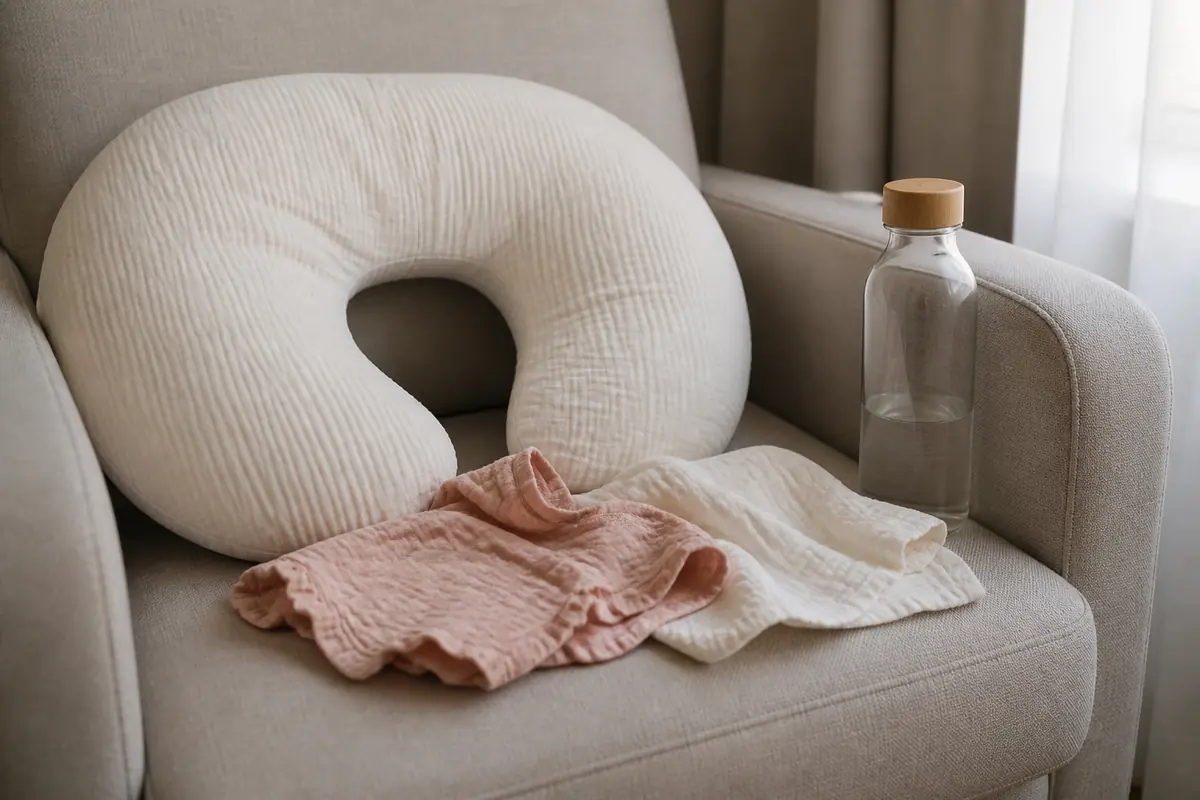
Breastfeeding essentials UK: what to buy
Breastfeeding essentials for UK mums: breast pads, nipple cream, nursing bras and when a breast pump is worth buying, plus what you can skip.
-
care
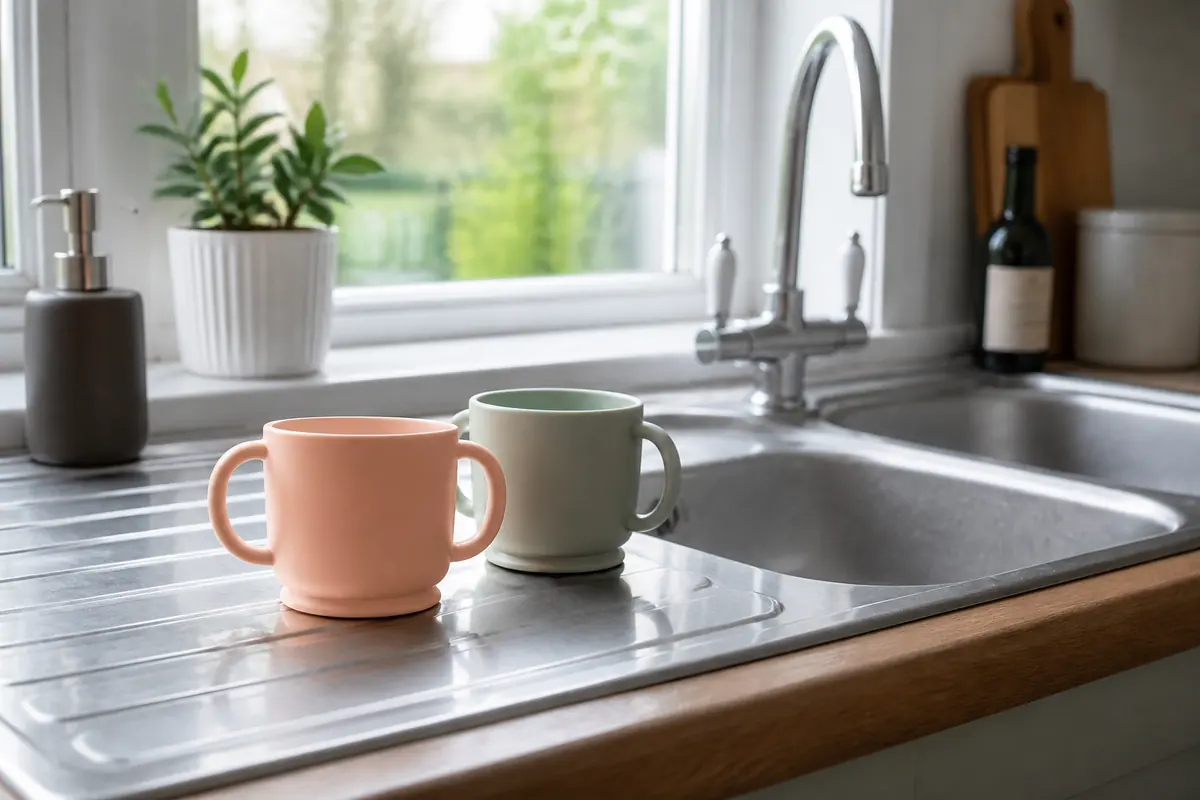
Sippy cups UK: when to start and which type
When to introduce a cup (from about six months) and which type: NHS advice on open and free-flow cups, why non-spill valves are not ideal, and cups to compare.
-
care
Weaning essentials UK: what you actually need
The weaning kit you actually need in the UK: a high chair, bibs, spoons and bowls, what to skip, and why to wait for signs of readiness at around six months.