planning
Hospital bag checklist UK: what to pack
What to pack in your hospital bag for labour, baby and the trip home, based on NHS advice. Includes when to pack, what to skip and a free printable checklist.
- UK hospital bag
- NHS packing lists
- Two-night stay
- Updated Sep 2026
By BabyNido editorial team · Published · Last updated
Links marked with * are affiliate links. We may earn a commission at no extra cost to you. How our links work. This is a desk-researched buying guide.
At a glance
| Fact | Detail |
|---|---|
| What this is | A two-night UK postnatal packing list, not a luxury hamper |
| When to pack | From about 36 weeks, or earlier if induction or a caesarean is planned |
| For you | Notes, ID, clothes, toiletries, medications, charger, snacks |
| For baby | Nappies, wipes, three sleepsuits, a hat, muslins, one going-home outfit |
| Leave at home | Moses basket, wipe warmer, five outfits, nursery furniture |
| Sources | NHS Best Start in Life hospital bag checklist — checked 13 Aug 2026; your unit still wins |
Key takeaways
- Pack for two nights, not a fortnight. Wards are small and hospitals have cots.
- Maternity notes and ID matter more than a matching knit set.
- Three sleepsuits and nappies cover a typical stay. A suitcase of newborn outfits does not.
- The car seat lives in the car, fitted before labour — not in the holdall.
- Your maternity unit’s list outranks any website, including this one.
- A going-home outfit is one 0–3 month sleepsuit, not a photoshoot.
- Use the hospital-bag checklist tool; it works with JavaScript off.
What should go in a UK hospital bag?
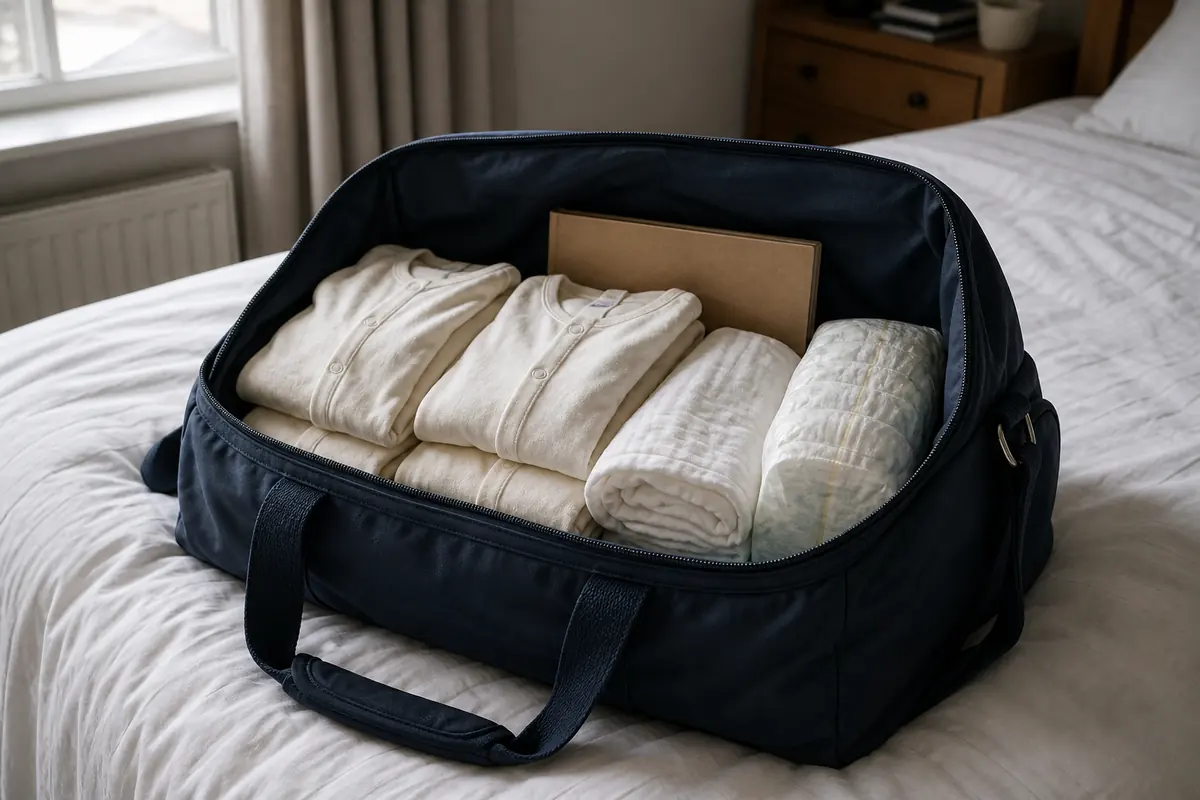
Three piles: for you, for baby, for the admin. You: notes, ID, clothes, toiletries, medications, charger, snacks. Baby: nappies, wipes, three sleepsuits, a hat, muslins, a going-home outfit in 0–3 months. Admin: car seat in the car, not in the bag. That is the whole list for a typical postnatal stay.
NHS Best Start in Life and most trust pages publish hospital-bag lists. They overlap. We do not reprint a trust’s PDF as if it were our research. Use your own maternity unit’s list as the last word on what they want you to bring — some still ask for your own towels; others do not. Checked against publicly listed NHS Start for Life packing advice on 13 August 2026.
Source: NHS — Hospital bag checklist (Best Start in Life) (checked 13 Aug 2026).
Ad · affiliate link Find plain newborn sleepsuits on Amazon UK*
What should you leave out of the hospital bag?
Leave nursery furniture, extra toys, a changing table kit, and five “coming home” outfits. Wards are small. You will live in a nightdress or button-up shirt. Baby will live in one sleepsuit at a time. If it does not fit in one holdall plus a small baby bag, it does not belong on the ward.
- Moses basket or “first night” sleep pod — the hospital provides a cot.
- Formula “just in case” unless you have already decided to formula-feed and the unit has told you to bring your brand. Many units supply formula if needed.
- A full changing bag packed like a day trip — you are not going to a café.
- New shoes, jewellery, and anything you would mind losing in a shared bay.
Grooming kit can wait until you are home. If nails need attention later, the baby nail clippers guide compares the simple options and links NHS advice.
When should you pack the hospital bag?
From about 36 weeks for a typical pregnancy, or earlier if your midwife has flagged induction or a planned caesarean. Pack the baby’s going-home outfit last so it is not crushed. Keep the bag where someone else can grab it. Do not wait for contractions to start hunting for a phone charger.
Use the hospital bag checklist — it works without JavaScript and prints. Tick what you have; ignore what your unit says you should not bring. A printed NHS list from your trust beats any affiliate “luxury hospital bag” round-up.
Do you need a going-home outfit for baby?
One. A 0–3 month sleepsuit and a cardigan or pramsuit if it is cold, plus a hat. The car seat is the legal bit for the drive, not the outfit. A matching knit set is a photograph, not a need. If the baby is smaller than expected, the sleepsuit you packed in the bag is enough.
Put the car seat in the car before you go in. Fitting an infant carrier in a hospital car park at midnight is a miserable way to learn ISOFIX. See car seats UK.
The going-home sleepsuit is the same garment as the ward sleepsuit. Compare 0–3 month zips, not a matching knit set. Nappies and wipes covers the first packs; do not gift a jumbo mixed box as the only present.
What should the birth partner pack?
A change of clothes, snacks, a charged phone, the car-seat plan, and a way to get home. They do not need a matching suitcase. Wards are small. A pillow from home is only useful if the unit allows it — ask. Overnight parking and a snack are the jobs most lists skip.
- Phone charger and a battery pack — sockets are scarce in shared bays.
- The fitted car seat already in the car, plus the manual if the harness still confuses you.
- Snacks and a refillable bottle. Hospital shops close. You will not leave for a supermarket at 2 a.m.
- A change of clothes and a toothbrush. Labour is not a day trip.
This is packing, not a birth plan. Clinical decisions sit with the midwife and the unit. If you wanted a labour positions guide, the NHS already publishes those pages for free. We will not invent a partner “kit” of gadgets. See newborn essentials for what waits at home.
Should you pack formula in the hospital bag?
Only if you have already decided to formula-feed and your unit has told you to bring a named brand. Many UK postnatal wards supply formula if it is needed. Packing “just in case” tins takes space and can confuse the feeding plan you agreed with the midwife. Ask the trust list, not a hamper.
We stay out of clinical feeding advice. The NHS covers breastfeeding, formula, and mixed feeding. This page only answers whether a tin belongs in the holdall. If the unit provides formula, leave the tin at home. If you already formula-feed and the trust asks you to bring your brand, pack that — not a sampler of six labels. Bottles and sterilisers can wait until you are home unless the unit says otherwise.
What should you pack for a planned caesarean stay?
The same two-night core, plus extra nights of clothes for you, high-waisted pants the unit recommends, and a plan for help at home. Recovery can mean a longer stay than a straightforward vaginal birth. Still leave the Moses basket. Still fit the car seat before you go in. Ask the caesarean leaflet your trust already sent.
Trust caesarean lists often add compression socks, a spare nightshirt that opens at the front, and more pads than a two-night vaginal stay. We will not reprint a trust PDF as original research. Use the leaflet with your name on it. The baby’s pile does not double because the birth was surgical: three sleepsuits still cover a typical ward. Extra outfits are still a skip. See the hospital bag checklist.
Do you need your own towels, pillow and birth ball?
Only if your maternity unit’s list says so. Some still ask for towels; many do not. A home pillow is a comfort, not a clinical device, and some wards prefer their own linen. A birth ball is a labour tool some units supply. Do not pack furniture. One holdall plus a small baby bag is the test.
The NHS Best Start in Life hospital bag checklist is the public baseline (checked 13 Aug 2026). Local lists still win on towels, pillows and whether to bring a birthing ball. If the PDF is silent, assume the ward has linen and ask at the next appointment rather than filling a second suitcase. A wipe warmer and a changing table still stay at home. The skip-finder names the house no; your unit names the linen.
Source: NHS — Hospital bag checklist (Best Start in Life) (checked 13 Aug 2026).
How should you organise a hospital bag for labour and the postnatal ward?
Pack by when you will need things: labour, the postnatal stay and the journey home. Put frequently needed items near the top and tell your birth partner where they are. A small spare bag at home is useful if plans change. Your maternity unit can explain what it supplies.
Use an ordinary holdall or small suitcase you can open beside a hospital bed. Three labelled pouches are often easier to search than one large compartment. Keep your notes, any medicines you take and your phone charger somewhere accessible. Your birth partner should be able to find essentials without emptying the whole bag while you are occupied.
| When | Keep together | Check locally |
|---|---|---|
| Labour | Notes, comfortable clothes and items you chose for comfort | Your unit’s advice about food, drinks and equipment |
| After the birth | Clothes, toiletries and maternity pads | What the ward supplies and how visitors bring extra items |
| Baby changes | Nappies, clothes and cleaning supplies | Feeding supplies and any unit-specific requirements |
| Going home | Your clothes and the baby’s travel items | Transport arrangements and car-seat fitting if travelling by car |
Avoid packing a separate gadget for every possible scenario. Decide who could bring an extra supply of clothes, pads or nappies if your stay is longer than expected. Put that supply in an obvious place at home. This is a practical planning approach rather than an NHS packing quantity: hospital facilities and individual needs differ.
Source: NHS — Hospital bag checklist (checked 9 September 2026).
What can you prepare for a planned caesarean or a longer stay?
Ask your maternity team about your expected stay, admission instructions and what to bring. Prepare comfortable clothing, accessible essentials and a simple way for someone to bring replacements. A planned date can change, so keep the bag ready. Follow the team’s instructions about medicines, food and drink rather than a general checklist.
Use the hospital bag checklist as a packing aid and add your unit’s own instructions to it. Arrange the bag so you can reach everyday items without unpacking a large case. Discuss any mobility, communication, sensory or accessibility needs with the team before admission. Your personal medical instructions take priority over buying recommendations.
Work through the journey home as its own task. Who is collecting you, where will the car wait, and who knows how the infant seat is fitted? Practise using the empty seat beforehand if you will travel by car. A travel system’s compatibility with a pushchair does not demonstrate that its seat fits your car. Our UK car seat guide explains the separate checks.
Do not buy a large recovery bundle simply because it appears on a retailer’s hospital bag list. Ask your maternity team which items would help you, then compare individual items you will use. Keep receipts where a retailer permits returns. If friends want to help, a meal, a lift or collecting a forgotten item may be more useful than another wash bag.
Frequently asked questions
When should I pack my hospital bag in the UK?
Around 36 weeks for an uncomplicated pregnancy, earlier if induction or a caesarean is planned. Include notes, ID, clothes for you, three baby sleepsuits, nappies and a charger.
Does the hospital provide nappies and formula?
Policies vary by trust. Many provide nappies for the stay and formula if needed; some ask you to bring your own. Check your maternity unit’s list rather than a generic blog.
What do I need to take a newborn home in the car?
An approved child car seat, fitted before you go in. Height-based R129 seats must be rear-facing until the child is over 15 months. Never in front of an active frontal airbag.
Tools on this topic
- Hospital bag checklist UK
A printable UK hospital bag checklist. Tick what you have. Your maternity unit’s list still wins. Works without JavaScript.
- UK baby skip-list finder
See what UK baby kit to skip by stage: hospital, newborn, sleep, gear and crawling. Works without JavaScript.
Check the evidence
Sources & how to use this guide
Our recommendations use published guidance and product information. We have not physically tested these products. Check the exact model, instructions and retailer listing before buying.
- NHS — Hospital bag checklist (Best Start in Life) Source checked: 13 Aug 2026
- NHS — Hospital bag checklist Source checked: 9 September 2026
Read next
-
planning
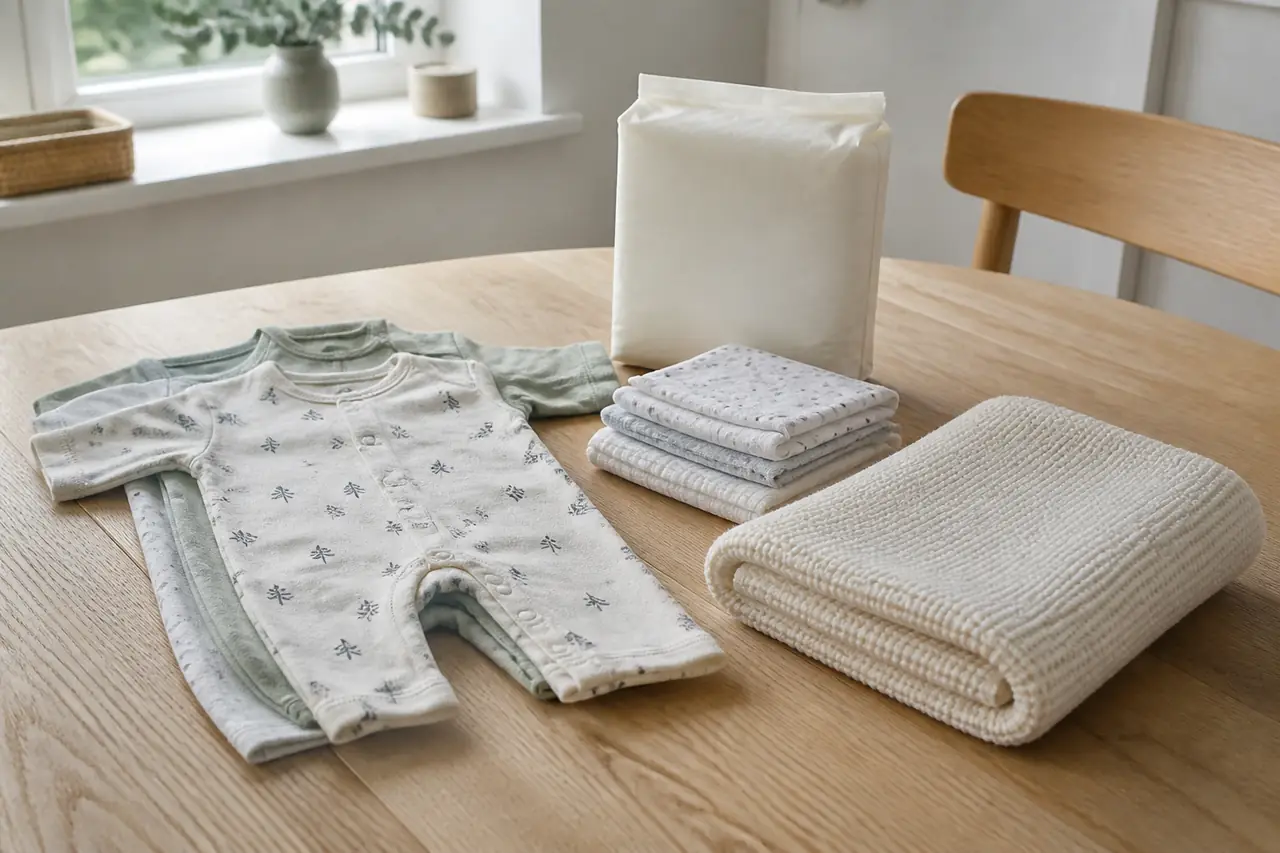
Newborn essentials checklist UK: what to buy
What a newborn really needs in the UK: a room-by-room checklist of essentials, what can wait, what to skip and the safety checks to make before you buy.
-
gifts
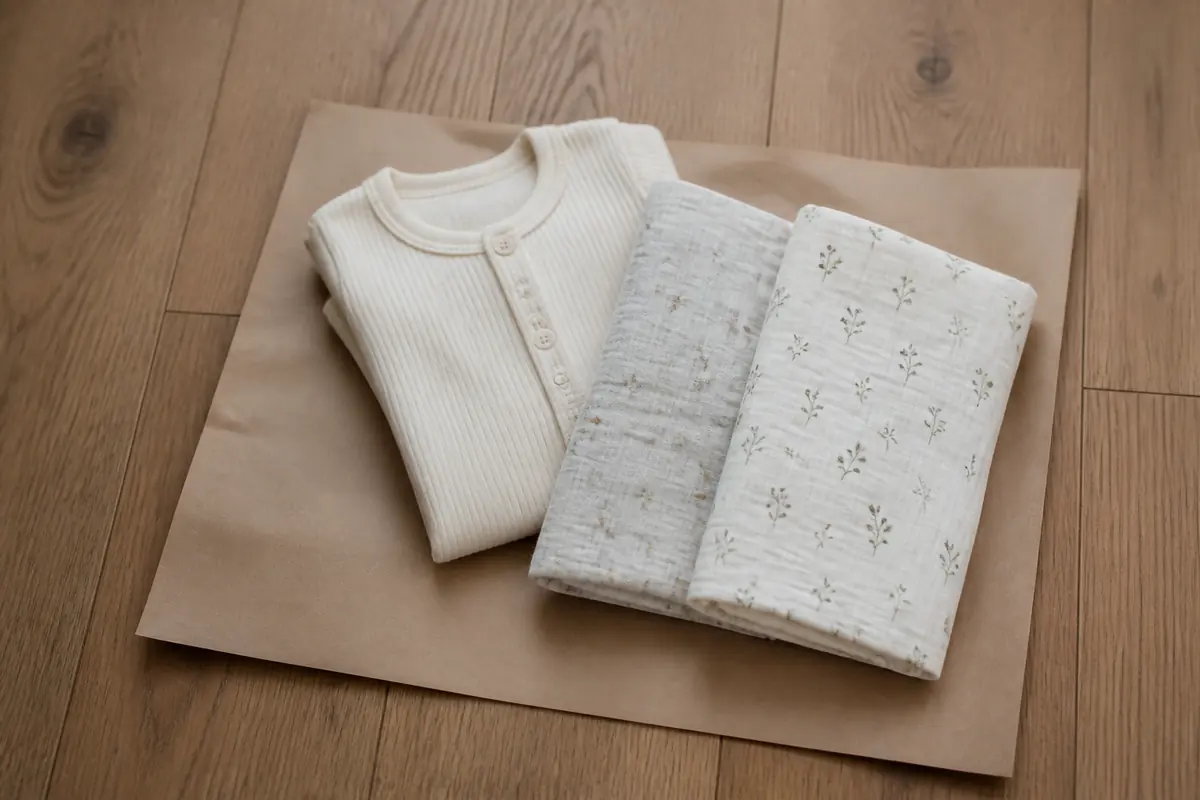
Best newborn gifts UK: what parents actually use
Practical newborn gift ideas UK parents actually use, from sleepsuits and muslins to meals and vouchers, plus the popular gifts that tend to go unused.
-
clothes
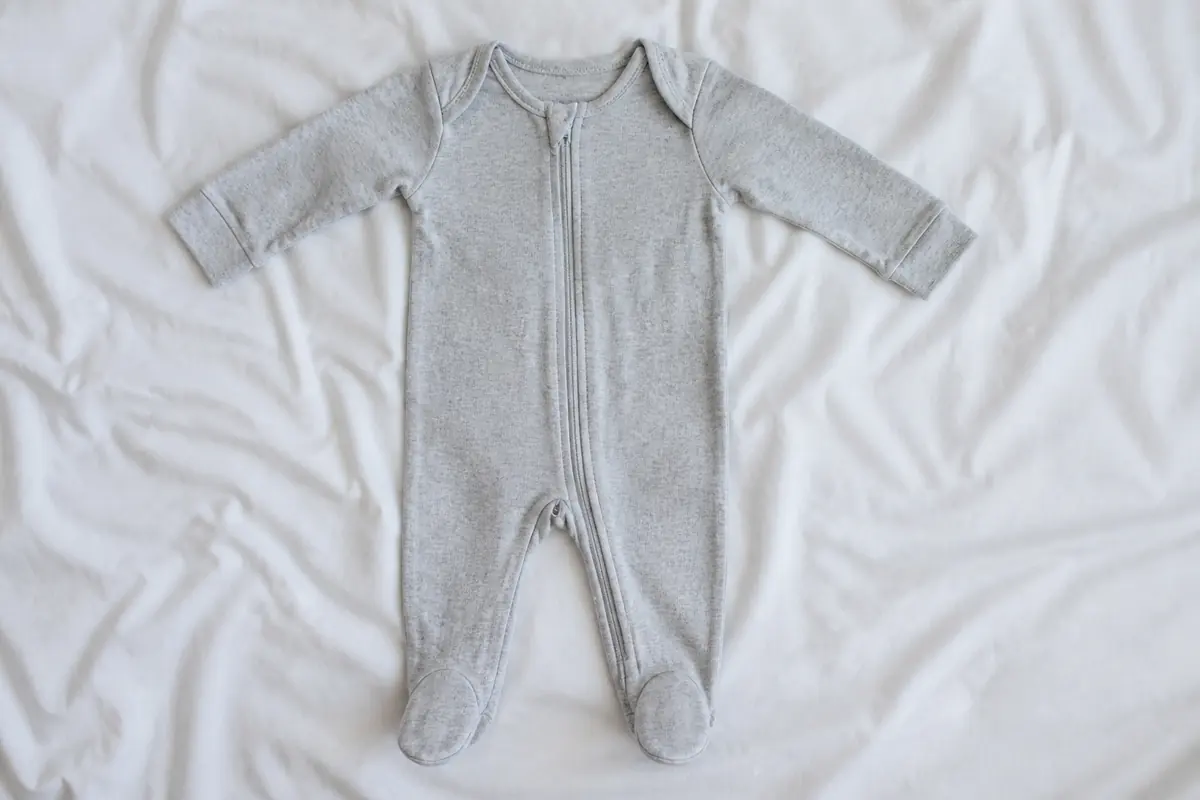
Babygrow vs sleepsuit: same garment?
UK babygrow, sleepsuit and bodysuit differences, sizing and laundry planning. Compare selected Gerber multipacks with exact ages, fabrics and pack checks.
-
planning
Newborn nappies and wipes UK: sizes and first packs
How many newborn nappies and wipes to buy in the UK, which size to start with, disposable vs cloth, and fragrance-free wipes, with listings to compare.
-

care
Baby thermometers UK: which type to buy
Which baby thermometer to buy in the UK: why the NHS recommends a digital underarm thermometer, how to take a temperature, and when to call 111 or a GP.
-
care
Baby nail clippers UK: how to cut baby nails safely
How to cut a baby’s nails safely: NHS advice, baby nail clippers vs round-ended scissors vs emery boards, and the best time to do it.
-
clothes
UK baby clothes sizes: newborn to 24 months
UK baby clothes sizes from newborn to 18–24 months: what each size band means, how many sleepsuits to buy for each stage and when to size up.
-

gifts
Best baby shower gifts UK: useful ideas
Useful baby shower gift ideas for UK parents: sleepsuits, muslins, vouchers and food, plus the popular presents that rarely get used.
-
gear
Baby car seats UK: i-Size buying guide
Compare baby car seats, R129 and i-Size rules, ISOFIX or belt fitting, complete costs and used-seat risks. UK sources and a practical fitting checklist.