gear
Pushchairs & travel systems UK: buying guide
Compare prams, pushchairs and travel systems for stairs, buses, small homes and car boots. Practical checks to help UK parents choose the right setup.
- Lie-flat first
- Travel system vs buggy
- EN 1888 vs R129
- Updated Sep 2026
By BabyNido editorial team · Published · Last updated

Links marked with * are affiliate links. We may earn a commission at no extra cost to you. How our links work. This is a desk-researched buying guide.
At a glance
| Fact | Detail |
|---|---|
| Travel system | A car seat plus a chassis — useful if you drive and want the carrier to click on |
| Pushchair first | If you walk from the door, buy lie-flat wheels; skip a second seat you will never fit |
| Newborn mode | Carrycot or a truly lie-flat seat. Sitting-up-only buggies wait for trunk control |
| Standards | EN 1888 is the chassis conversation. R129 is the car seat. They are not substitutes |
| Skip | A sit-up buggy on day one; a matching colourway for grandparents; a walker later |
| Sources | NHS newborn kit list and GOV.UK car-seat law, checked 13 Aug 2026 |
Key takeaways
- A travel system is a convenience: the infant carrier clicks on a chassis. The carrier still has to be a legal car seat.
- If you barely drive, a lie-flat pushchair or a sling plus compact buggy is lighter than a full system.
- Newborns need a truly flat mode. Semi-recline on the shop floor is a skip.
- Try the fold in the shop. A demo that fights you will not improve in the rain.
- Grandparents need a seat that fits their car, not a matching chassis in the hallway.
- A known-family pushchair with working brakes can be reused. A mystery car seat on that chassis cannot.
- EN 1888 does not make a chassis a car seat. Stack the marks, then measure the boot.
- A sling can delay the buggy for short trips. It does not replace a legal seat if you drive, and it is not a cot.
Do you need a travel system or just a pushchair?
If the first months are mostly car-to-house, a travel system reduces lifting. If you walk from the door, a lie-flat pushchair or carrycot chassis is the better first walk. A sling can delay the buggy for some parents. The car seat still has to be a legal car seat, not only a pram accessory.
Lie-flat is the newborn pushchair requirement most UK retailers cite for postnatal walks. Sitting-up-only buggies wait until the baby has the trunk control the maker states. We will not give a universal age in months as if every baby agreed.
What should you look for in a UK pushchair?
A fold you can do with one hand if you use buses or small boots, a weight you can lift, wheels that match your pavements, and a lie-flat or carrycot mode for newborns. Rain covers matter in this country. Cup holders do not. Try the fold in the shop. A demo that fights you will not improve in the rain.
Ad · affiliate link Compare pushchairs at Mamas & Papas*
When should you skip a full travel system?
When you do not drive, when the chassis is too heavy for your steps, or when the infant seat would be a second seat you never install. A compact buggy plus a correctly fitted car seat (if any) is two simpler objects. Grandparents’ cars need their own fitting plan; a matching colourway will not install itself on Granny’s ISOFIX.
Ad · affiliate link See travel systems at John Lewis*
Should grandparents buy a matching travel system?
Usually no. They need a seat that fits their car, not a colour-matched chassis they will store in a hallway. One correctly fitted infant carrier is the useful spend. A second full system is how you pay twice for wheels nobody uses. Matching fabric is not a safety feature.
ISOFIX bases are model-specific. Assume nothing. Sit in the actual car with the manual. If there is no ISOFIX, a seatbelt-fitted R129 infant carrier is the honest answer, not a matching fabric pack. We will not invent cross-brand compatibility. See car seats UK before you gift a chassis. Second-hand frames from a known family, with working brakes, are a better reuse than a mystery car seat.
The NHS lists a fully reclining pushchair if you will walk; it does not list a matching travel system for every adult who might babysit. One lie-flat mode that you have tried to fold, plus a car seat that actually fits the cars you use, beats two colourways. If boot space is the real constraint, measure the boot with the chassis folded before you pay. Retailer “complete kits” hide that test.
Travel-system round-ups go stale the week a chassis is discontinued. We will not rank a winner we have not folded. We will tell you to skip the system when a sling plus a fitted seat covers the first weeks. That is the gap shop windows cannot print.
Which pushchairs and travel systems are worth comparing?
Compare fold, weight, lie-flat mode and whether the infant seat is a legal car seat — not a colourway. Joie systems and compact folds are common UK listings. We have not run a pavement test. Try the fold in a shop. Skip a sit-up buggy for a newborn.
Ad · affiliate link Compare pushchairs at John Lewis*
Example UK options to compare, not a ranked best-of. We have not lab-tested them. Model checks are dated where available. Affiliate links (*). Check the exact listing, seller and included parts before buying.
-
Pushchairs · Amazon UK
Joie travel system (chassis + infant carrier)
A typical UK travel-system listing: infant carrier clicks onto a chassis. Confirm the seat is R129 and that you will actually fit it in the car.
Skip if: You barely drive, or you already own a legal car seat and only needed a lie-flat buggy.
Ad · affiliate link Compare Joie travel systems on Amazon UK*
-
Pushchairs · Amazon UK
Compact fold pushchair (YOYO-style)
Lightweight folds matter on buses and in small boots. Newborn use still needs lie-flat or an approved carrycot / newborn kit.
Skip if: The seat only semi-reclines and you needed it from day one.
Ad · affiliate link Compare compact fold pushchairs on Amazon UK*
-
Pushchairs · John Lewis
Lie-flat pram or carrycot chassis
The NHS lists a fully reclining pushchair if you will walk. A carrycot on a chassis is one way to do that without a full matching system.
Skip if: You will mostly drive and already have a sling for house-to-car.
Ad · affiliate link Compare prams and pushchairs at John Lewis*
Can you take a UK pushchair as cabin luggage?
A compact fold helps in the boot and on a train. Cabin-bag claims are airline rules, not a British Standard. Measure the folded chassis against the airline’s published cabin size if you need to gate-check or cabin it. A travel system with a car seat is hold luggage in all but marketing. Try the fold before you fly.
We will not invent a centimetre that every airline accepts. Check the carrier you booked. A rain cover packs smaller than a second chassis. If the fold fights you in the shop, it will fight you at the gate. For seating and restraint rules as well as the buggy, see flying with a baby in the UK.
Is a second-hand pushchair safer than a second-hand car seat?
A known-family chassis with working brakes, a working fold and no cracked joints is a reasonable reuse. A car seat on that chassis is a separate, stricter history. Skip a marketplace frame you cannot open and close. EN 1888 is the pushchair standard conversation; it is not a car-seat label. Inspect before you pay.
This is the same split as mattress vs frame: you can see a bent wheel; you cannot see a crash in foam and plastic. Keep the infant carrier rules on car seats. Do not buy a “complete travel system” second-hand to save one conversation.
Do you need a double buggy or a lightweight one?
A double or tandem is a second-child problem, not a first-newborn default. A lightweight fold matters on buses and in small boots. We keep both jobs on this page so you do not buy a twin chassis before the first car seat. Try the fold in a shop.
Lie-flat still applies to each seat a newborn will use. A sibling board is not a second car seat. If you mostly drive, a second infant carrier that fits the same ISOFIX base can beat a double buggy in the boot. See car seats and carriers.
What should a no-car household buy to walk?
A lie-flat pushchair or carrycot you can fold, plus a sling if you will do stairs. The NHS lists a fully reclining pushchair if you will walk (checked 13 Aug 2026). You do not need a travel-system car seat you will never install. Try the fold on the shop floor. Skip a sit-up buggy for a newborn.
Worked example: third-floor London flat, no car, buses and pavements. The job is a chassis you can lift, a fold that works in a vestibule, and lie-flat from day one. A matching infant carrier is dead weight. Rain cover yes. Cup holder no. If the demo fights you indoors, it will fight you in the rain. See baby carriers for T.I.C.K.S., not a colourway.
Source: NHS Best Start in Life — What to buy for your newborn baby (checked 13 Aug 2026).
What should a two-car household buy first?
Seats that fit both cars, then one lie-flat way to walk. Two matching travel systems are how hallways fill with wheels. One correctly fitted infant carrier plus a chassis you have folded beats two colourways. Grandparents still need their own fitting plan. Measure both boots with the chassis folded before you pay.
Worked example: you drive a saloon, they drive an SUV, hallway is a metre wide. Fit R129 seats in both cars. Buy one lie-flat chassis that actually folds into the smaller boot. Skip the second full system “for weekends”. ISOFIX bases are model-specific. Assume nothing. See car seats.
Carrycot or lie-flat seat — which newborn mode?
Either can work if the maker approves it for newborns and it is truly flat, not a semi-recline. A carrycot is a separate bassinet on a chassis. A lie-flat seat is the same frame with a seat that opens flat. Sitting-up-only is the skip. We will not give a universal age in months. Follow the product’s trunk-control line.
| Mode | Choose if | Skip if |
|---|---|---|
| Carrycot on chassis | You want a flat bassinet you can lift off | You needed a one-hand fold into a tiny boot |
| Lie-flat seat | You want one frame from newborn onwards | It only semi-reclines on the shop floor |
| Sit-up buggy | Later, when the maker says they have trunk control | Day one — slump is the risk |
| Sling only | Short trips, stairs, you have been shown T.I.C.K.S. | You needed a long pavement walk on day three |
What does EN 1888 actually tell you?
EN 1888 is the European standard conversation for pushchairs and prams. It is not a car-seat approval and not a Lullaby Trust mark. A chassis can meet it and still be a bad fold for your boot. Treat it as a baseline, then try the product. Do not treat the number as a ranking.
We have not run a type-approval lab. We will not invent a test clause. If a listing will not mention a standard at all, ask. A car seat on that chassis still needs R129 and a history. Stack the marks: EN 1888 for the wheels, R129 for the seat, a clear cot at home.
When does a sling beat a pushchair for the first weeks?
When trips are short, stairs are real, and you have a carry method that keeps the airway clear. A sling can delay the buggy. It does not replace a legal car seat if you drive, and it is not a cot. If you will walk for an hour on day three, you still need lie-flat wheels.
T.I.C.K.S. is the UK sling safety conversation, not a brand. Read baby carriers. A travel system bought “so we do not need a sling” is often two heavy objects. The skip-list still wants you to fit the car seat first if you drive.
What should you try on the shop floor before you pay?
Fold it. Lift it. See whether the lie-flat is actually flat. Check the rain cover is in the box. Measure the folded size against the smaller boot. If the demo needs two hands and a prayer, it will fail a bus. Skip a chassis you only saw in a photo. A fitter is for the car seat, not the wheels.
- One-hand fold if you will use buses, vestibules or a tiny boot.
- Lie-flat that is flat on the shop floor, not a marketing diagram.
- Brake, handle height, and whether the basket takes a modest shop.
- If they will not let you fold it, walk out — a photo is not a test.
Retailer lists can rank colourways. We will tell you to skip a sit-up newborn mode and a second matching system for grandparents. EN 1888 is a baseline, not a league table. The NHS lie-flat point still stands (checked 13 Aug 2026). Then compare listings — do not add SKUs to dodge the fold.
Which pushchair features matter for city, rural or small-home use?
Match the pushchair to the journey you repeat most often. For stairs and public transport, look at folded size and how manageable it is to carry. For uneven paths, try the steering on realistic ground. For small homes, check storage first. Confirm newborn suitability in the exact model’s instructions.
| Your routine | Test before buying | Possible trade-off |
|---|---|---|
| Stairs and buses | Fold, lift and carry the empty frame | A compact fold may come with a smaller basket |
| Uneven pavements or paths | Steering, braking and handling on similar ground | Larger wheels can mean a bulkier fold |
| Small car boot | Fit the folded pushchair with normal luggage | Removing wheels every journey adds a task |
| Small hallway | Measure the parked and folded footprint | A freestanding fold may still obstruct a doorway |
| Different carers | Try the handle and controls at different heights | One person’s comfortable setup may not suit another |
Ask to see a complete fold and unfold, then do it yourself without the baby in the pushchair. Check where your fingers go, whether loose parts need a separate bag and whether the folded frame stays secure. Measurements on a product page are useful, but only if they describe the configuration you will use: with the seat, wheels and adapters attached or removed.
The NHS advises checking brakes, frame strength and handle height when buying. For a young baby, the seating arrangement must allow them to lie flat; check the specified newborn configuration. A carrycot, seat unit and car seat serve different purposes. Ask about each component separately rather than treating “travel system” as an assurance of suitability.
Source: NHS — Choosing baby equipment for getting out and about (checked 9 September 2026).
How do you compare travel-system bundles without overspending?
Write down each included component and compare that list with what your family needs. Check the frame, newborn arrangement, seat unit, car seat, base, adapters and weather accessories separately. A large bundle is only good value when the parts fit your routine and the car seat fits your vehicle.
Build two baskets on paper: the complete bundle and a suitable pushchair plus the separate items you would actually use. Include a required base or adapter, delivery charges and any extras needed to make the newborn setup complete. Keep quoted prices dated; a promotional colour or discontinued package may not be available when you buy. This is a comparison method, not a claim that separate purchases always cost less.
Check replacement parts and the warranty process as well as the purchase price. Who handles a damaged wheel or faulty folding mechanism? Where is the manual available? If you plan to buy used, check the model, brakes, frame, harness, locking mechanisms and official recall notices. Our second-hand baby kit guide gives a broader checklist.
If you already own a suitable infant car seat, ask whether it is approved for use with the intended frame and adapters. Do not buy a duplicate seat just to get matching colours. If you rarely travel by car, prioritise the pushchair’s everyday usability while planning occasional car journeys separately.
Frequently asked questions
Is a travel system worth it in the UK?
Worth it if you drive and want the infant carrier to click onto a chassis. Less worth it if you walk everywhere — buy a lie-flat pushchair or use a sling, and a car seat only if you need one.
Can a newborn go in a normal buggy?
Only if the buggy lies flat or has a carrycot the maker approves for newborns. A sit-up buggy waits until the baby meets the product’s development guidance.
Is a second-hand pushchair OK?
A known-family chassis with working brakes and fold can be. The car seat on it is a stricter history. Inspect before you pay. Skip a frame you cannot open.
Check the evidence
Sources & how to use this guide
Our recommendations use published guidance and product information. We have not physically tested these products. Check the exact model, instructions and retailer listing before buying.
- NHS Best Start in Life — What to buy for your newborn baby Source checked: 13 Aug 2026
- NHS — Choosing baby equipment for getting out and about Source checked: 9 September 2026
Read next
-
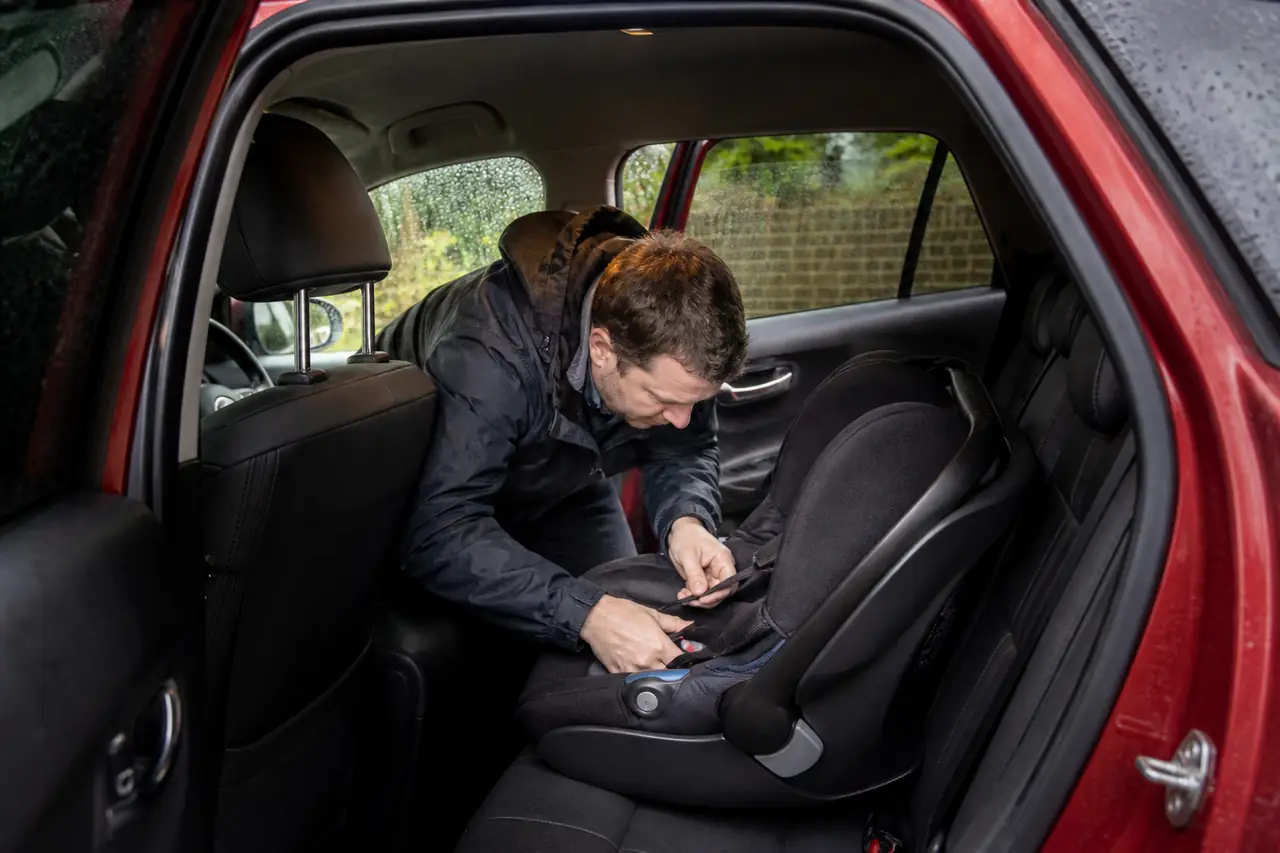
gear
Baby car seats UK: i-Size buying guide
Compare baby car seats, R129 and i-Size rules, ISOFIX or belt fitting, complete costs and used-seat risks. UK sources and a practical fitting checklist.
-
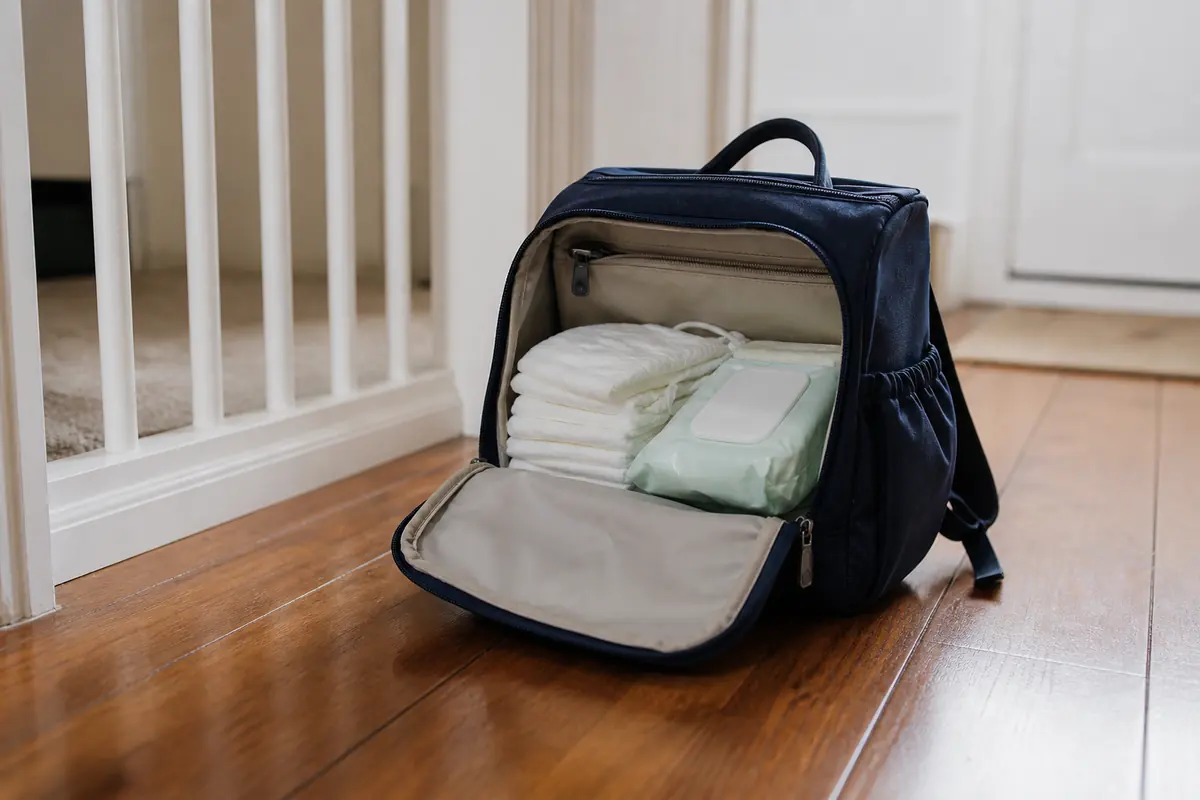
gear
Baby changing bags UK: what to skip
How to choose a baby changing bag in the UK: backpack vs tote, what to pack, the features worth paying for, and listings to compare. Not a ranked list.
-

planning
Newborn essentials checklist UK: what to buy
What a newborn really needs in the UK: a room-by-room checklist of essentials, what can wait, what to skip and the safety checks to make before you buy.
-

gear
Baby carriers and slings UK: how to choose
How to choose a baby carrier or sling in the UK: stretchy wrap vs buckle carrier, T.I.C.K.S. safety checks and when a carrier can replace a pushchair.
-
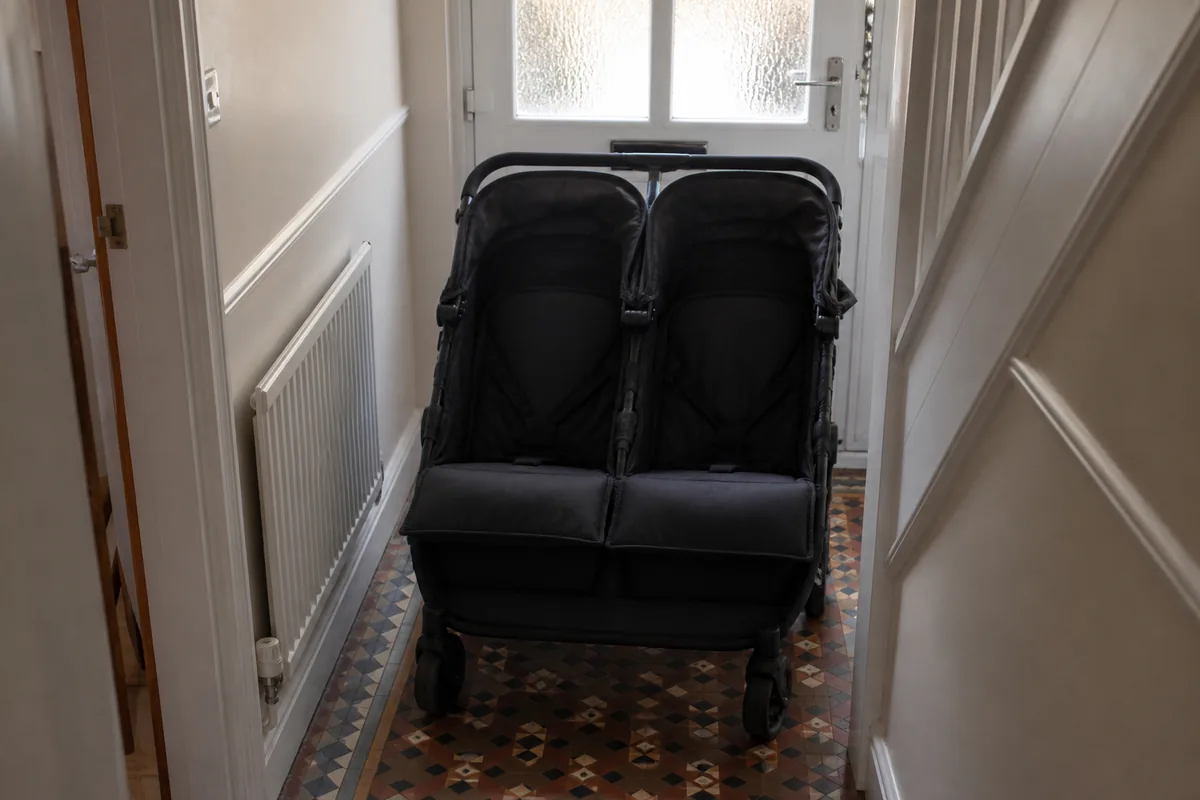
gear
Double pushchairs UK: when you need one
Do you need a double pushchair? Tandem vs side-by-side for UK doors and buses, and when a buggy board or a sling for the older child is enough.
-
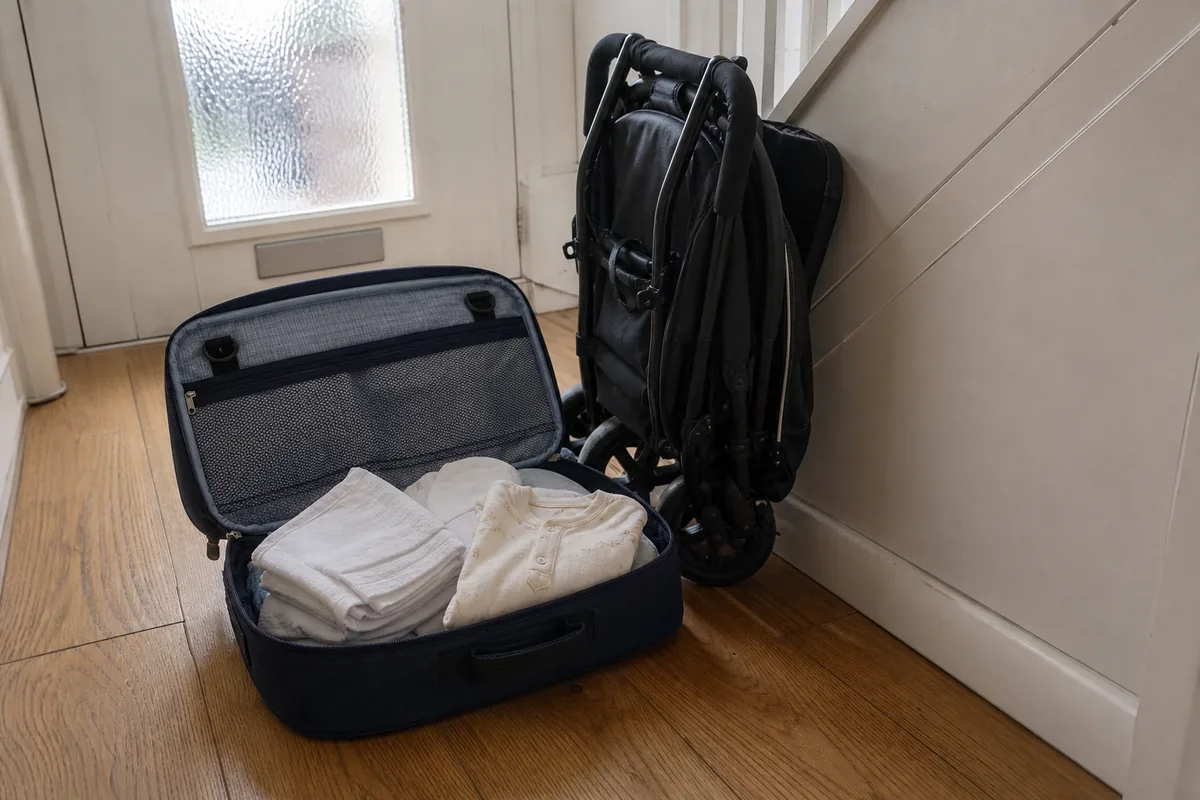
gear
Flying with a baby UK: rules, car seats and buggies
Flying with a baby from the UK: infant lap belts, airline-approved car seats, taking a buggy to the gate, milk through security and what the CAA says.
-

planning
Second-hand baby equipment UK: buying checks
What to check before buying used baby equipment: model details, recalls, missing parts and when buying new makes sense. Practical UK guidance.